
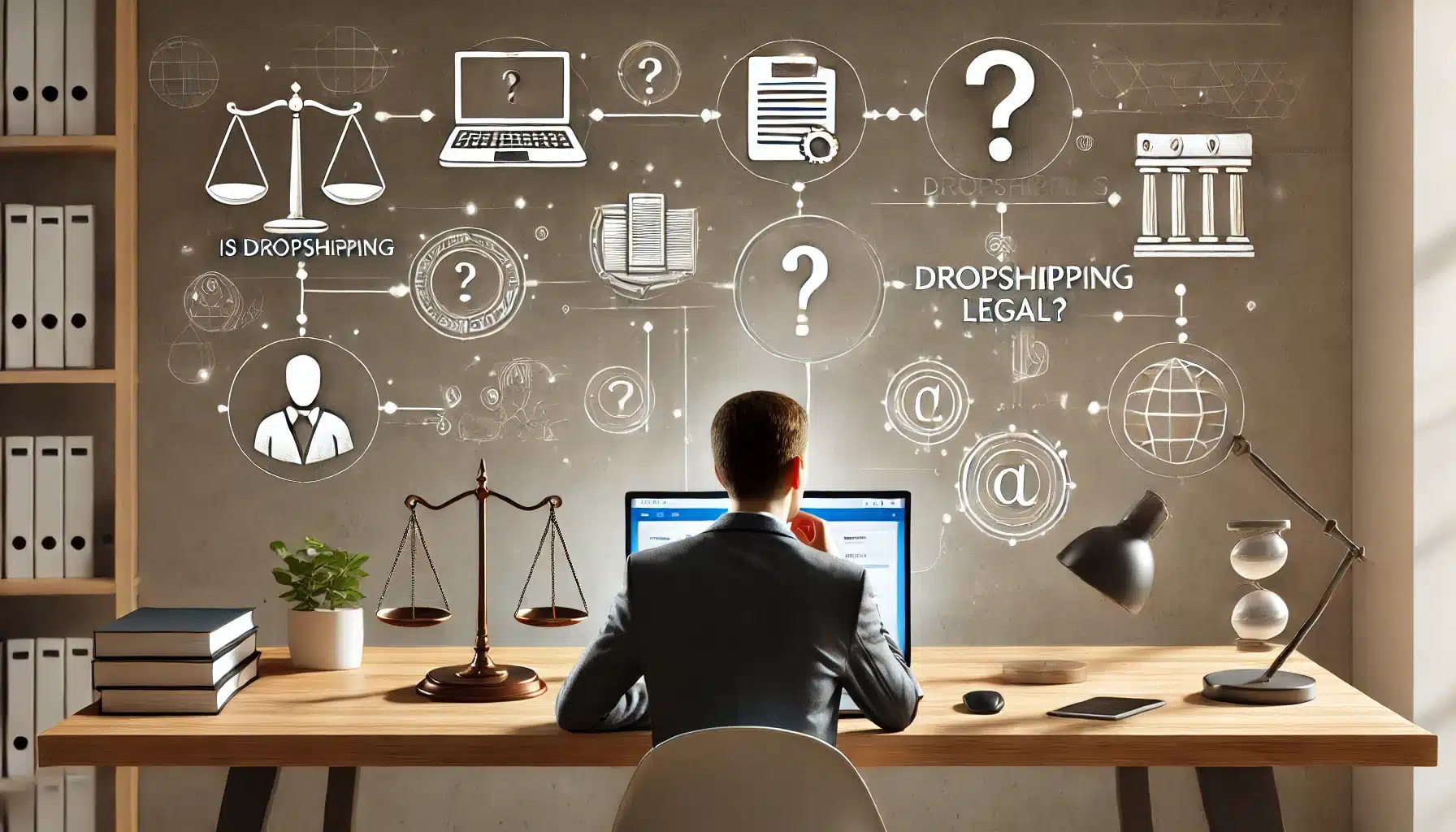
“Is that legal?” — it’s a common reaction when people first hear about dropshipping. The idea sounds too good to be true: build a Shopify store in a day, start selling products without holding inventory, and scale your business globally with low overhead. Naturally, this raises legal concerns.
So, Is Dropshipping Legal?
Yes — dropshipping is a completely legal business model. You’re simply acting as a retailer who doesn’t keep stock on hand. That said, you must follow your country’s laws around trademarks, copyrights, consumer safety, taxes, and online business operations.
Copyrights, Trademarks & What You Can’t Sell
Selling Branded & Copyrighted Items
One of the biggest legal risks in dropshipping is selling copyrighted or trademarked products — especially from overseas marketplaces like AliExpress. Many beginners mistakenly assume that if a product is listed on AliExpress, it’s safe to resell. This is not true.
Products featuring logos, characters, slogans, or artwork from well-known brands (e.g. Disney, Marvel, Nintendo, sports teams, movies, or music artists) are usually protected by copyright or trademark laws.
Selling these products without permission can result in:
- Cease and desist letters
- Legal action for damages
- Immediate bans from platforms like Facebook or Shopify
Examples of items to avoid without permission:
- Pokémon t-shirts
- Harry Potter mugs
- NFL-themed caps
- Celebrity image phone cases
Model Images and Personality Rights
Even using photos of models or influencers from AliExpress can be risky. Chinese suppliers sometimes use these images without proper licensing. If you’re using a model’s image without their consent and make significant profit, you could be liable.
Stick to product images provided by trusted, verified suppliers or use licensed stock images.
How to Legally Sell Branded Products
You can sell trademarked products legally if:
- You’re an authorised reseller for the brand
- You’re buying through a verified distributor (e.g. Walmart, Target)
- You have written permission from the brand owner
Smaller domestic suppliers are usually more open to resellers — you’ll often need to sign a basic agreement that outlines terms for selling their products.
Platform Policies: Amazon, eBay & Facebook
Amazon & eBay
You can dropship on Amazon and eBay, but with restrictions:
- You cannot use another retailer (e.g. AliExpress or Walmart) to fulfil orders
- You must be listed as the seller of record
- You are responsible for customer service, returns, and delivery timelines
Amazon in particular now asks for invoices to verify you’re sourcing from legitimate suppliers. Failing to provide these may result in account suspension.
Facebook Ads
Meta’s ad platform strictly prohibits advertising counterfeit or infringing products. Even indirectly referencing protected brands in your ads or landing pages can lead to account bans.
Safety & Compliance
As a seller, you are responsible for ensuring the products you sell meet mandatory safety standards in the countries you sell to. This applies even if your supplier is overseas.
Be sure to check each country’s guidelines:
Taxes: What You’re Responsible For
You are required to pay income tax on profits and sales tax (or GST) depending on where your business operates.
- Australia: GST is 10%. Register for an ABN and charge GST if required.
- USA: Sales tax varies by state. Shopify and other platforms help automate collection.
- UK, Canada, NZ: VAT or GST systems apply, depending on revenue thresholds.
Speak to a local accountant to ensure compliance.
Using Product Images
Avoid grabbing images off Google — many are copyrighted. Here’s what you can do:
- Use the images provided by your authorised supplier (with permission)
- Use stock image websites (e.g. 123RF, Shutterstock, or free ones like Pexels, Pixabay, Unsplash)
- Create your own product photos (recommended for branding)
Use caution when using AliExpress images, especially those with people, logos, or branding.
Restricted Products & Shipping Limitations
Some products are restricted from being shipped internationally or to certain regions. Common restricted items include:
- Lithium batteries
- Aerosols
- Alcohol or tobacco
- Sharp objects or weapons
Always check with your courier (e.g. Australia Post, DHL, FedEx) for a list of restricted or prohibited goods.
Dropshipping Contracts
Domestic suppliers may ask you to sign a dropshipping agreement, outlining:
- Allowed platforms
- Pricing guidelines
- Shipping terms
- Returns and refund policies
Chinese suppliers typically do not use contracts, but it’s still important to understand their terms.
Domain Name Trademark Infringement
Be cautious when choosing a domain name. Anything that could confuse customers or imitate a known brand can be considered trademark infringement. For example:
- www.dizneytoys.com → ❌ (infringes on Disney)
Use tools like:
Age-Restricted Products
If you sell items like alcohol, tobacco, vapes, or adult products, ensure you comply with local age restriction laws. Shopify and other platforms allow you to add age verification pop-ups to your store.
Final Thoughts
Dropshipping is legal — but that doesn’t mean anything goes. Like any business model, it comes with responsibilities. As long as you take steps to follow local laws, avoid infringing products, and provide a good customer experience, you’re on the right track.
Take the time to learn the legal side of eCommerce early. It will save you time, money, and headaches in the long run.

Leave a Reply